Please contact us if you require any advice from our sales engineers, we are here to help. Call 01420 550597 or email sales@polymax.co.uk.
With hundreds of wheel chocks on the market, how do you decide what is best for you? Well, 'No Chock Fits All' and the safety of your vehicle depends on multiple factors. So always follow your vehicle manufacturers guidelines and thoroughly test your new chocks before using them long term. To help you in the right direction, here are some general rules to help you choose the right chock.
Lees verder
New to installing D Fenders? Don't worry, whilst every boat and yacht is different there are some standard fitting recommendations. Whether you are replacing an existing rub rail or starting from scratch, this step by step guide should help you get the best results for your new fender. Lees verder
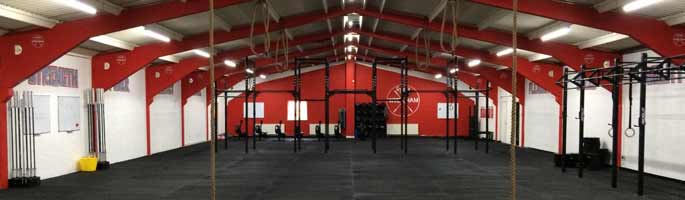
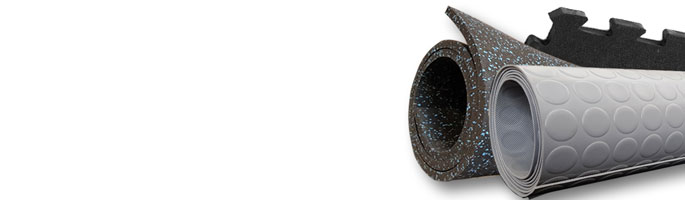
For the last 40 years Polymax have manufactured and supplied commercial gym flooring to leisure centres, gyms and fitness studios across the world. We know exactly what it takes to create a flooring solution that will withstand the toughest workouts time and time again. So before you purchase your matting online here is a short guide to make sure you get the best value for your money.
Lees verder
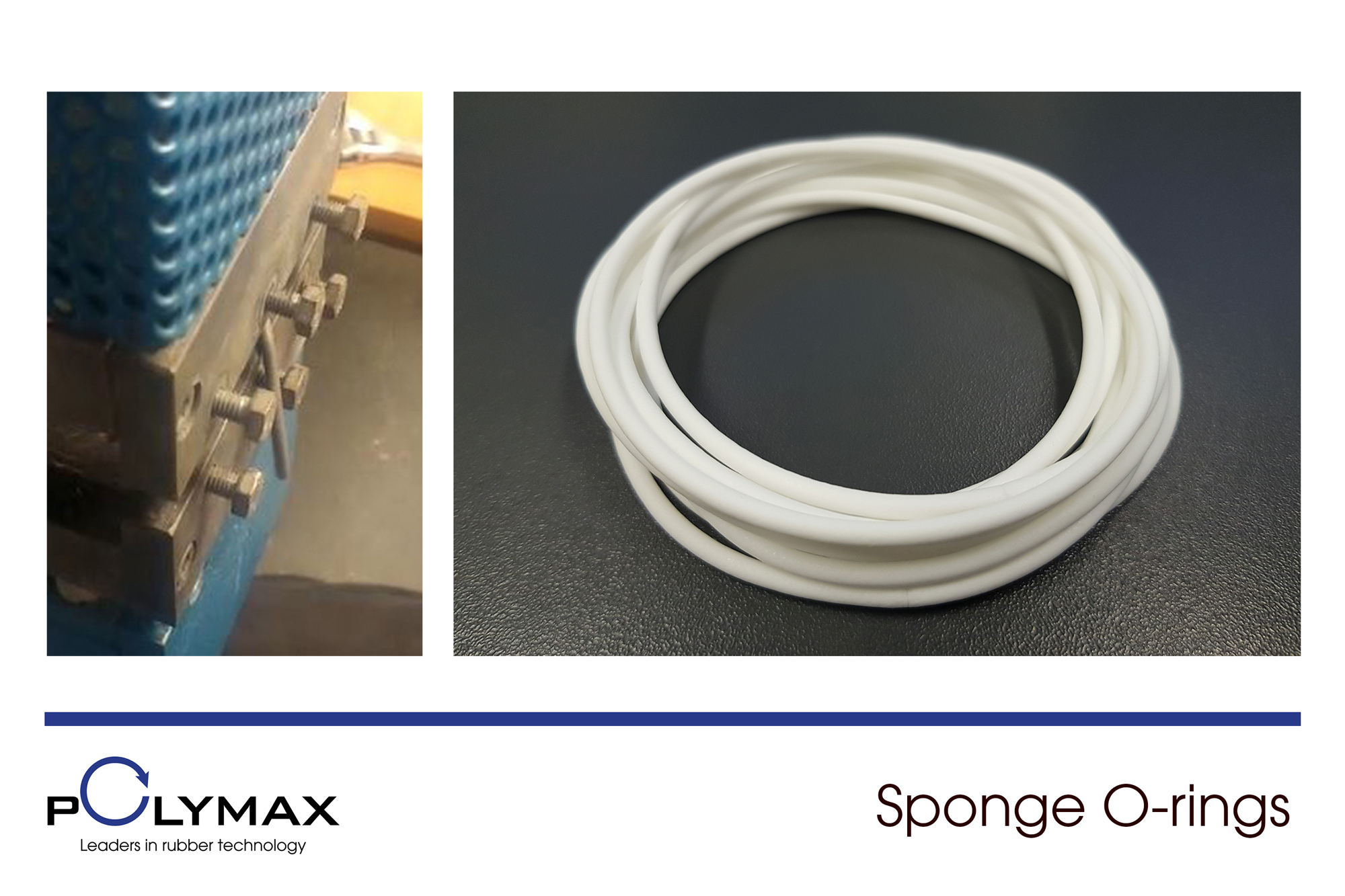
Due to an increase in the demand for sponge O-rings we've developed a way to effectively vulcanise and bond extruded cord. This is great news for anyone who has been using our solid or sponge cords to create custom sized O-rings, as our heat and pressure vulcanisation process creates a far superior join then just using adhesive.
We can join any of our extruded cords larger then 1.5mm diameter and 18.5mm inner diameter. Lees verder

As the company updates its resources we've updated our site safety and fender product range with over 200 new products. Every item featured is available to buy online with full pricing and technical drawings. Best of all, we are releasing a brand new product catalogue for each section, packed with all the information you need to make a hassle free purchase.
Every section has been updated so check your favourite items and see if we've added new products. In a hurry? Here are some of the highlights.
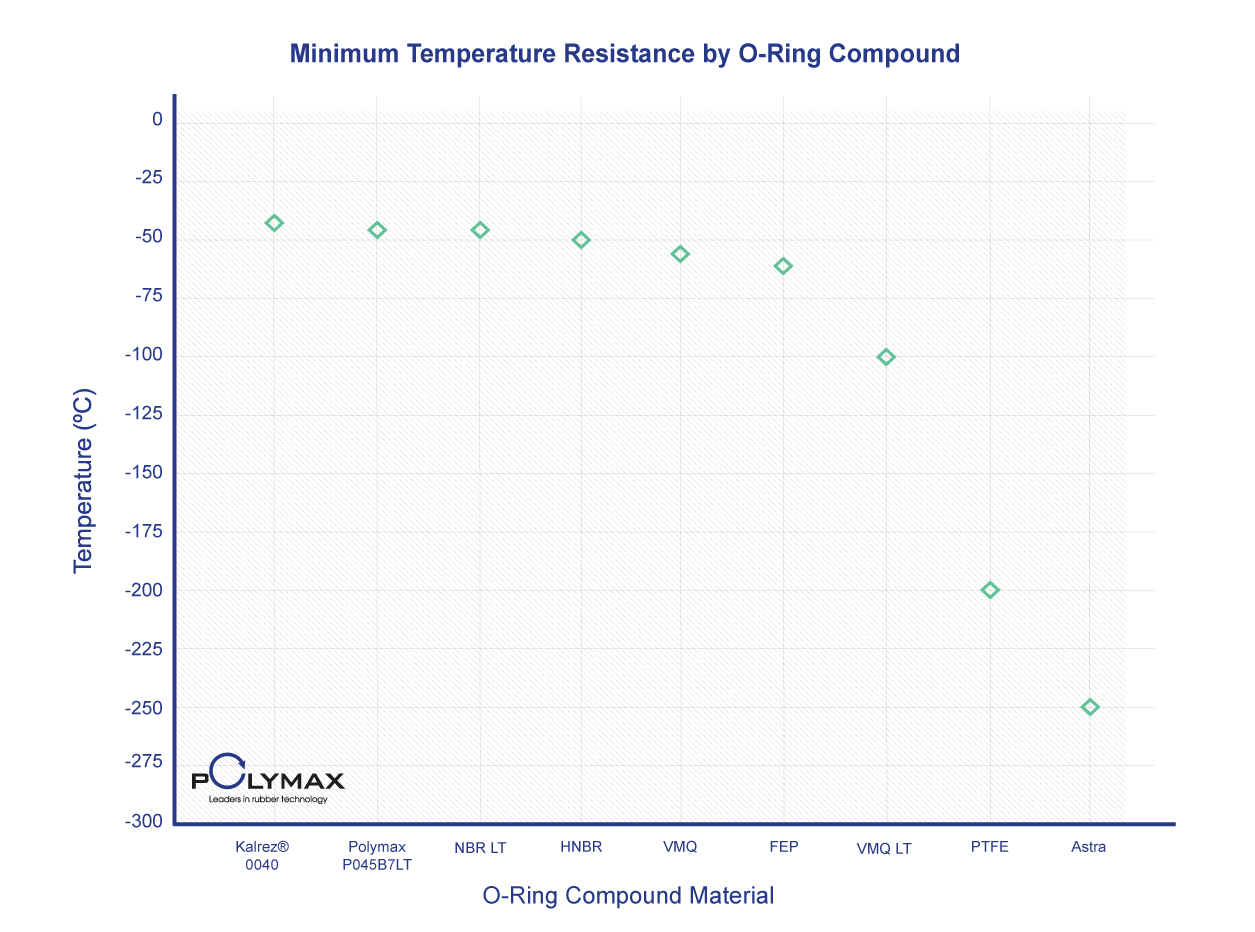
Lees verderIn the previous part of this series we examined which was the best O-ring material for use in high temperature applications (over 150°C). Today, we will explore what is the best low temperature O-ring according to several working demands. For the most part, many compounds already support a sub degree service temperature ranging from -5 to -25°C, for this reason we will only examine low temperature applications under -25°C.
For working conditions below -25°C, you may wish to consider the following materials; NBR LT, HNBR LT, VMQ, FVMQ, Kalrez® 0040, Polymax P045B7LT, FEP Encapsulated O-rings and Astra seals.
Lees verder
This article will outline the main differences between Aflas® vs Viton® O-rings. Customers typically request FKM or FFKM for harsher working conditions. However, choosing a lesser known compound can save a lot of money in the long term. Aflas® is a member of the fluoroelastomer family based on an alternating copolymer of TFE and propylene (FEPM). Introduced by the Asahi Glass Ltd under the name AFLAS®, just 5 years after the invention of FKM, in 1975. The unique polymer structure of Aflas® offers properties with a continuous working temperature of 200°C and a maximum peak exposure temperature of 205°C, with outstanding chemical resistance. Lees verder
Silicone rubber is known by several terms which can lead to misinterpretation. Firstly, the ISO (International Organisation for Standardisation) uses the abbreviations of MQ, VMQ, PMQ and FVMQ. Conversely, ASTM (American Society of Testing and Materials) uses its own designations of GE, FC, FE and FK. For this reason, we will explain the structural differences indicated by these terms and the unique properties they provide.
Silicone is the preferred material for use with food, medical and aerospace industries due to its great flexibility, thermal stability, low toxicity, resistance to oxygen, ozone and UV, as well resistance to microbiological growth. It offers the widest temperature range of all O-ring materials from -55°C to 200°C as standard, with specially compounded versions ranging from -115°C to +232°C.
Heat is one of the most destructive forces in compound deterioration. To decide which is the best high temperature O-ring, it is important to consider other factors such as the required chemical resistance. For high temperature applications (over 150°C) you may wish to consider using one of the following materials; FKM, FFKM, ACM, HNBR, VMQ, FVMQ, AFLAS, PTFE and FEP.
Lees verder