
For UK enquiries please visit polymax.co.uk or contact us on 01420 474123 | Email sales@polymax.co.uk
+(31) 70 2500606
€ EUR
€ Euro (EUR)
Change currency:
  • £ Brits pond sterling (GBP)
  • Rs Indiase rupee (INR)
  • zł Poolse zloty (PLN)
  • US$ Amerikaanse dollar (USD)

sales@oringen.eu
You have no items in your shopping cart.
0
Cart
-->

O-rings

  • How the Shore Hardness Scale Affects O-Ring Selection


    Choosing the right O-ring involves more than just size and material. One of the most critical but often overlooked factors is the material hardness. This indicates how soft or firm a rubber compound is, influencing how well the O-ring seals, resists pressure, and performs in real-world conditions.

    For most O-ring applications, Shore A hardness (abbreviated ShA or HA) is the primary scale used. However, understanding how different Shore scales work provides important context for making the best choice.

    What Is Shore Hardness?

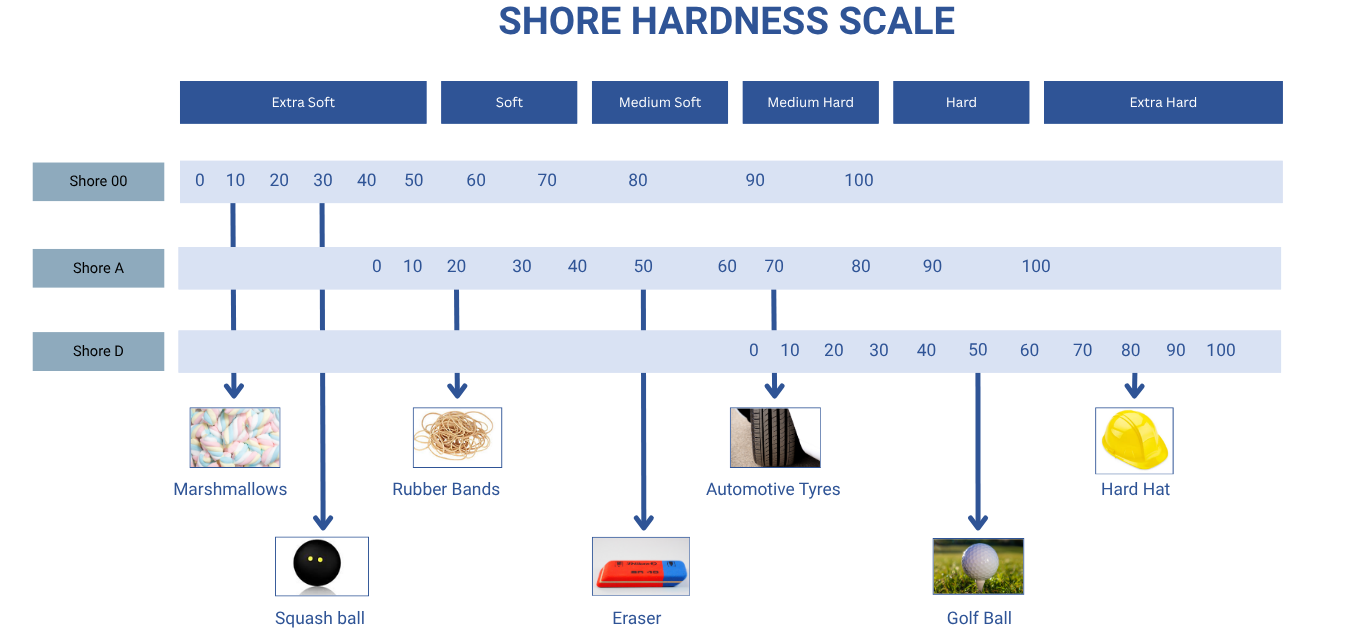
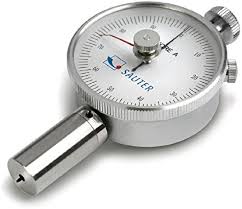
    Shore hardness is a measure of how resistant a material is to indentation, indicating how soft or hard it is on a standardised scale. It is determined using a device called a durometer, which applies a standardised force to a material and measures its resistance to indentation. The result is a numerical value that helps compare the hardness of different materials.

    Overview of Shore Hardness Scales

    There are several Shore scales, but the most commonly used for polymers and elastomers are:

    • Shore A (ShA or HA): Used for soft, flexible materials like rubber, silicone, and other elastomers. This is the standard scale for O-rings. The scale ranges from 0 (very soft) to 100 (very hard). For example, a 70 ShA O-ring offers a balance of flexibility and durability.
    • Shore D (ShD or HD): Designed for harder plastics such as nylon, polycarbonate, and rigid thermoplastics. Shore D is not used for standard rubber O-rings, but may be referenced for rigid back-up rings (PTFE) or non-elastomeric sealing components.
    • Shore 00: Less common in O-ring applications, Shore 00 is used for very soft gels or foams, like sponge rubber or soft silicone gels.

    Which Shore A Hardness Rating is Best for your Application

    The Shore A hardness rating of an O-ring has a direct impact on its ability to seal, resist deformation, and withstand pressure. As a guide what rating should you use for different applications.

    • Soft O-rings (40–60 ShA): Highly flexible, excellent for low-pressure applications or when sealing against rough or uneven surfaces. However, they may wear more quickly and be prone to extrusion under high pressure.
    • Medium O-rings (70 ShA): The most commonly used hardness for O-rings, striking a balance between elasticity and strength. Suitable for both dynamic and static sealing in hydraulics and pneumatics.
    • Hard O-rings (80–90 ShA): Best for high-pressure environments. These O-rings are more resistant to extrusion and abrasion but require smooth sealing surfaces and higher installation force.

    Reduce Cost and Downtime by Getting your Selection Right

    Understanding the Shore Hardness scale, especially Shore A (ShA) for elastomers, is essential for selecting the right O-ring. By matching the material hardness to your application's requirements, you can ensure a more reliable, longer-lasting seal that minimises downtime and maintenance.  To find out more contact our team of experts.

  • The Complete Guide to FDA, EC 1935/2004 & 3-A Compliance for Food-Contact Rubber and Silicone

    Ensuring food-contact O-rings, seals, gaskets, and silicone tubing are safe and compliant is essential for manufacturers, installers, and end-users operating in the United States, European Union, and global food-processing markets.

    Regulatory compliance helps:

    • Protect consumer health
    • Reduce contamination risk
    • Ensure export-ready certification
    • Support hygienic design standards in processing systems

    This guide compares the three most important frameworks for food-contact elastomers and sealing components:

    Achieving FDA and EC 1935 compliance is essential for manufacturers exporting to the U.S. and EU, while 3-A compliance ensures hygienic design in food and pharmaceutical systems worldwide.

    Key Differences Between FDA, EC 1935, and 3-A Sanitary Standards

    Aspect FDA 21 CFR (USA) EC 1935/2004 (EU) 3-A Sanitary Standards (3-A SSI)
    Governing Body U.S. FDA European Commission (enforced by national authorities) 3-A Sanitary Standards, Inc. (independent U.S. non-profit)
    Legal Structure Code of Federal Regulations (CFR) Framework regulation for all food-contact materials Independent hygienic design standards for equipment/components
    Compliance Model Ingredient whitelist (polymers & additives) Migration limits & traceability Hygienic design, cleanability, CIP/SIP compatibility
    Testing Focus Extractables & migration into food simulants Migration testing with EU-approved food simulants Cleanability, bacterial prevention, sanitary design
    Units / Measurement mg per square inch of material mg per kg of food N/A – design & cleanability criteria
    Documentation Required Manufacturer Declaration of Compliance (DoC), lab tests Declaration of Compliance (DoC), migration test results Manufacturer verification or third-party audit of design & materials
    Enforcement FDA inspections & enforcement National authorities in each EU member state Commercial/industry enforcement; not government-mandated
    Focus Area Chemical compliance & food safety Migration limits & traceability Hygienic operation, easy cleaning, contamination prevention
    Application O-rings, gaskets, seals, tubing, sheets All food-contact materials for EU market Equipment/components in hygienic processing (dairy, beverage, pharma)
    Regional Relevance Required for U.S. market Required for EU market Enhances marketability in North America & global sanitary industries

    Key Insight

    • FDA focuses on chemical safety and permitted substances
    • EU EC 1935/2004 focuses on migration limits and traceability across materials
    • 3-A SSI focuses on equipment design, cleanability, and hygienic performance

    Together, they define the global compliance landscape for food-contact sealing components.

    Steps to Achieve FDA 21 CFR Compliance

    FDA compliance for food-contact elastomers and plastics follows a structured process:

    1. Verify Approved Materials (Positive List Compliance)

    Materials must comply with FDA 21 CFR regulations, especially:

    • 21 CFR 177 (polymers used in food-contact applications)
    • Only listed additives, stabilisers, and resins may be used
    • New substances require a Food Contact Notification (FCN)

    2. Extraction & Migration Testing

    FDA requires lab testing to measure migration of substances into food simulants. EC 1935/2004 also requires migration testing but uses different simulants and measurement units.

    Aspect FDA 21 CFR (U.S.) EC 1935/2004 (EU)
    Testing Type Extractables & migration Migration only
    Food Simulants Distilled water (aqueous), n-hexane (fatty) Water, acidic, alcoholic, fatty, or solvent-based (depending on food type)
    Limits 20 mg/in² (aqueous), 175 mg/in² (fatty) Overall migration ~10 mg/kg; specific limits vary
    Units mg per square inch mg per kg of food
    Purpose Prevent leaching of harmful substances Ensure safe migration under intended use
    Testing Conditions Worst-case: high heat, long-term exposure Worst-case per EU test protocols

    3. Good Manufacturing Practices (GMP)

    • Clean, traceable production environments guarantee consistent quality and contamination prevention.
    • Essential for manufacturers and reassuring for installers and end-users.

    4. Declaration of Compliance (DoC)

    • A self-issued document summarising compliance, usually backed by independent lab reports.
    • Required for audits, inspections, and export documentation.

    Authority cue: A properly prepared DoC demonstrates regulatory compliance to FDA, EC, and 3-A standards, reinforcing credibility with customers and regulators.

    Selecting the Right O-Rings, Seals, and Tubing

    When specifying components for food-contact applications, consider:

    • Regulatory compliance: FDA & EC 1935 for chemical safety; 3-A SSI for hygienic design.
    • Material properties: Durometer/hardness, chemical compatibility, temperature resistance.
    • Documentation: Lab reports, DoC, audit-ready datasheets.
    • Installation suitability: CIP/SIP systems, hygienic operation, maintenance access.

    Compliance Comparison at a Glance

      • FDA: Focused on ingredient safety and extractable limits; critical for the U.S. market.
      • EC 1935/2004: Ensures migration limits, traceability, and safe food-contact materials for EU export.
      • 3-A SSI: Ensures hygienic design, cleanability, and bacterial prevention, supporting CIP/SIP systems.
      • Manufacturers exporting to U.S. and EU markets need both FDA and EC 1935 compliance.
      • Proper documentation and independent testing support audits, inspections, and global market access.

    Tip: Following these standards ensures high-quality, safe O-rings, gaskets, and tubing for food-contact applications worldwide.

    Expert Guidance and Contact

    Our team of compliance specialists can help you identify FDA, EC 1935, and 3-A compliant materials, Contact our team of Experts

  • The Benefits of FFKM O-Rings and What Are Their Applications

    FFKM (Perfluoroelastomer) O-rings are one of the most reliable sealing solutions available, offering unmatched performance in some of the most demanding environments. Combining extreme temperature tolerance, excellent chemical resistance, and mechanical integrity, FFKM has earned its place in industries ranging from aerospace to chemical processing. 

    What is FFKM and Why is It So Effective?

    FFKM, or Perfluoroelastomer, is a highly fluorinated version of fluoroelastomer that was first developed in the 1960s. Its unique composition gives it the ability to withstand extreme temperatures ranging from -45°C to +330°C, and makes it resistant to over 1,800 chemicals, including hydrocarbons, oils, fuels, and aggressive solvents. This extraordinary versatility is why FFKM is now used extensively across industries that require the highest standards of sealing performance.

    Key Benefits of FFKM O-Rings

    1. Exceptional Temperature Resistance FFKM O-rings are designed to perform in both extremely high and low-temperature environments. They can withstand temperatures as low as -45°C (-49°F) and as high as 330°C (635°F). This makes them ideal for industries such as aerospace, automotive, and heavy-duty machinery where temperature extremes are common.
    2. Unmatched Chemical Resistance One of the standout features of FFKM is its resistance to a wide range of chemicals. With the ability to resist over 1,800 chemicals, solvents, and plasmas, FFKM O-rings ensure reliable performance even in aggressive environments. This resistance makes FFKM ideal for applications in chemical processing, oil and gas, and semiconductor manufacturing.
    3. Superior Permeation Resistance FFKM O-rings are highly resistant to gas and liquid permeation, which can lead to seal degradation and failure. Their ability to prevent permeation helps maintain the integrity of the sealing system, extending the lifespan of the equipment and preventing costly downtime or leaks.
    4. Weathering and Ozone Resistance FFKM seals are highly resistant to ozone and weathering, making them perfect for outdoor applications. Whether exposed to fluctuating temperatures, humidity, or UV radiation, FFKM O-rings retain their structural integrity and sealing ability. This resistance is essential in industries like automotive and oil and gas, where outdoor exposure is common.
    5. Safety and Non-Flammability FFKM O-rings are typically self-extinguishing and exhibit very low flammability in air due to their fully fluorinated polymer structure. This makes them suitable for applications where fire safety and thermal stability are important considerations.
    6. Low Outgassing and Extractables In industries like pharmaceuticals, medical device manufacturing, and semiconductor production, outgassing and particle contamination can cause serious problems. FFKM O-rings feature low outgassing properties, ensuring that they don’t release harmful vapors or particles, which is critical for maintaining cleanliness in high-sterility environments.
    7. Outstanding Mechanical Properties FFKM O-rings offer excellent compression set resistance and sealing performance, even under mechanical stress. This makes them ideal for heavy-duty machinery, aerospace, and automotive applications, where maintaining a tight seal under pressure is essential.
    8. Suitability for Explosive Decompression FFKM is resistant to explosive decompression, a phenomenon that occurs when a material rapidly decompresses under pressure. This resistance prevents rupture, leaks, and seal failures, making FFKM O-rings highly reliable in high-pressure applications.
    9. Customisable Shapes and Sizes FFKM O-rings can be easily customized into a variety of shapes and sizes to meet specific application requirements. Whether you need O-rings, gaskets, or custom seals, FFKM's flexibility ensures a perfect fit for your sealing needs.
    10. Ultra-Clean Formulas for High-Sterility Environments For applications requiring the highest levels of cleanliness, such as pharmaceuticals and semiconductor manufacturing, FFKM O-rings are available in ultra-clean formulations. Manufactured in cleanroom environments, these seals are free from contaminants, ensuring the integrity of your processes.
    11. We can also supply FFKM with approvals such as:
      • 3-A
      • AED/RGD
      • BfR XXI
      • FDA
      • Low Temperature
      • NORSOK M-710-2
      • NORSOK M-710-3
      • Steam Resistance
      • USP Class VI

    Applications of FFKM O-Rings in Different Industries

    Given the exceptional benefits of FFKM, it's no surprise that this material is used across a wide range of industries. Here are some of the key applications:

    • Chemical Processing: FFKM O-rings are ideal for chemical processing applications, including reaction column seals, chemical fluid handling, and heavy-duty cleaning processes. Their chemical resistance makes them perfect for handling aggressive solvents and chemicals.
    • Oil and Gas: In the oil and gas industry, FFKM is commonly used for sealing applications in pump and motor stators, packer elements, and critical sealing parts exposed to hydrocarbons and fuels. Its ability to withstand harsh chemicals and extreme pressure makes it a trusted material for this industry.
    • Aerospace: Aerospace applications require materials that can handle extreme temperatures, pressure variations, and environmental stress. FFKM is ideal for use in aircraft engines, seals, and piston rings, where performance reliability is paramount.
    • Heavy-Duty Machinery: FFKM O-rings are used in heavy-duty machinery where seals are subject to high mechanical stresses. Industries such as manufacturing, construction, and mining benefit from the durability and performance that FFKM seals provide.
    • Automotive: FFKM's resistance to high temperatures, ozone, and a wide range of chemicals makes it a perfect fit for automotive applications. It is widely used in fuel systems, injectors, and high-pressure pumps, ensuring long-lasting, reliable performance in automotive environments.

    Why Choose FFKM O-Rings from Polymax?

    At Polymax, we specialise in providing top-quality FFKM O-rings and sealing solutions for a wide range of industries. Our FFKM O-rings are manufactured to the highest standards to meet the demanding needs of your applications. Whether you are in aerospace, chemical processing, or automotive, we offer the perfect sealing solution to improve efficiency, reduce downtime, and enhance safety.

    We can supply FFKM compounds similar to:

    Brand Grades
    Kalrez® 4079, 6375, 7075
    Chemraz® 505, 510, 513, 517, 551, 553, 600, 605, 615
    Perlast® G75B, G80A, G80H
    Simriz® 491, 495
    Isolast® J9440, J8325, J9876
    Parker Parafluor® V8910-75


    The Polymax team can also work closely with designers and engineers to identify a Polymax compound suited to your specific application. We can support your development process with detailed datasheets, helping you confidently specify the correct material for both current requirements and future designs.

    Contact Polymax today to find out how FFKM O-rings can enhance your sealing applications. Let us help you choose the right material and design to meet your specific needs, ensuring performance, reliability, and long-term success. Contact our team on: +44 (0) 1420 474 123 or sales@polymax.co.uk 

  • Polymax EPDM O-Rings Now WRAS Certified & Tested to BS6920-1/2000 for Drinking Water Applications

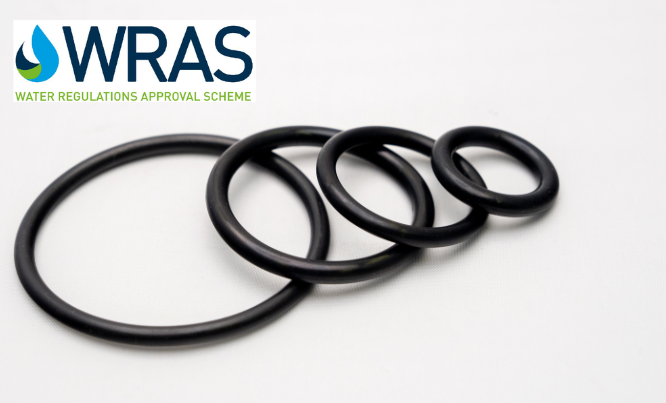
    Polymax EPDM O-Rings WRAS Certified for Safe Use in Drinking Water Applications

    We are pleased to announce that Polymax EPDM O-rings have officially received WRAS (Water Regulations Advisory Scheme) approval, a mark of quality that guarantees compliance with UK water regulations. With Polymax WRAS approved EPDM O-rings, customers can have complete confidence that they are using high-quality, reliable products that meet stringent regulatory standards and perform consistently in every application.  Check out the official Polymax WRAS Listing on the WRAS Website

    Our WRAS approved EPDM O-rings offer: Suitability for Drinking Water Systems: The primary benefit is that WRAS approval certifies that a non-metallic product is suitable for contact with drinking water, in compliance with standard BS 6920-1 / 2000. This makes them ideal for use in drinking water applications, such as water supply pipes and plumbing fixtures.

    Compliance with UK Regulations: WRAS is the standard used in Great Britain for this purpose. Using WRAS-approved components helps ensure compliance with UK water regulations.

    Assured Water Quality: The testing process for WRAS approval ensures that the elastomer materials do not impair the quality of the water they come into contact with. This includes verifying that the material does not: Promote the growth of bacteria Affect the water's colour or appearance Impart any unpleasant taste to the water This milestone reinforces Polymax’s commitment to bringing valuable solutions to the market, in particular where compliance and safety are paramount.

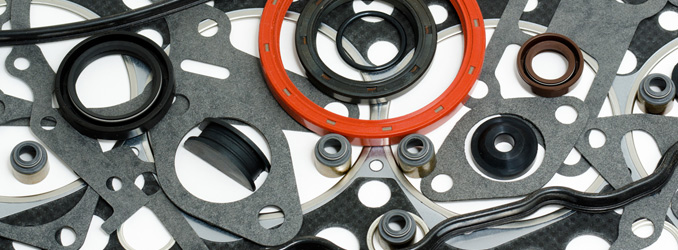
  • What is the Difference between Gaskets, O-rings, and Seals?

    What is the difference between Gaskets, Seasls, and o-rings?

    We are often asked questions like: “What’s the difference between a gasket, a seal, and an O-ring?” It’s a great question, and understanding these distinctions will ensure you choose the right sealing solution for your application.

    At first glance they may appear to be the same, but when it comes to keeping fluids, gases, or contaminants where they belong, gaskets, seals, and O-rings., each has a unique role in maintaining the integrity of the systems they protect. Choosing the right one is critical for performance, safety, and efficiency.

    In this article, we will break down the differences between gaskets, seals, and O-rings, and explain when to use each.

    Regardless of the type of seal,  material selection for gaskets, seals, and O-rings is always based on operating criteria such as temperature range, pressure, chemical compatibility, regulatory approval, and mechanical performance.  A common approach that ensures whether your application requires a gasket, seal or O-ring it will deliver reliable sealing in its intended environment.

    What is a Gasket?

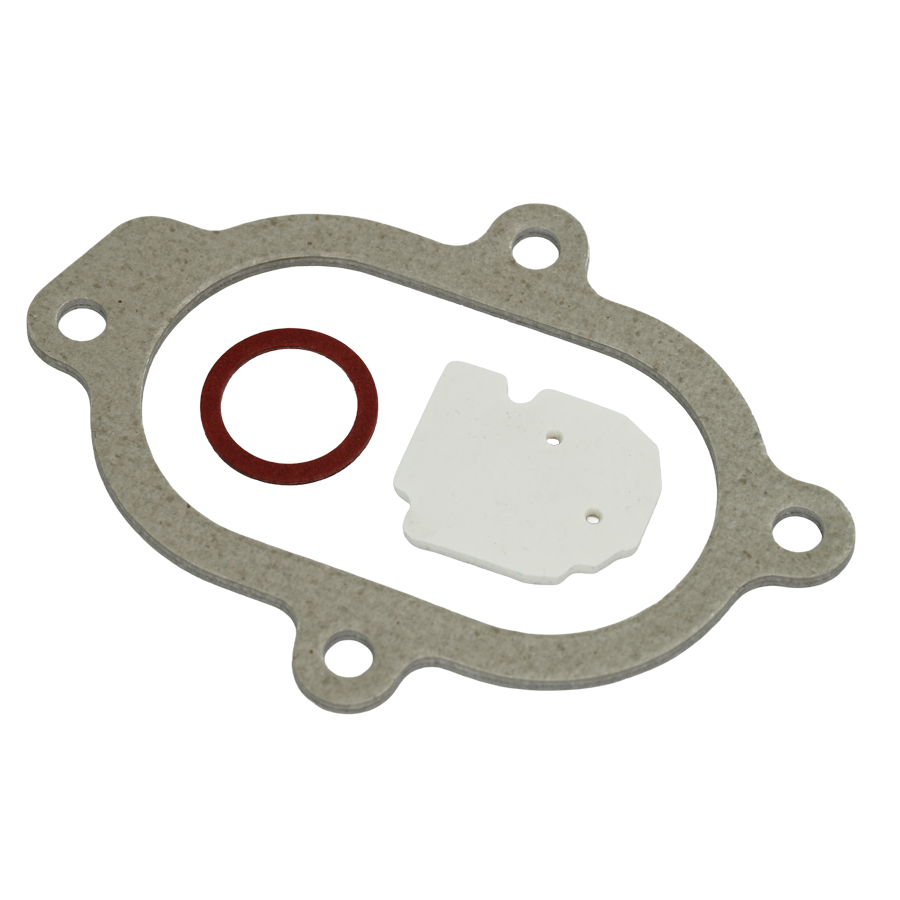
    A gasket is a flat or shaped component that sits between two mating surfaces to primarily prevent leaks, the ingress of any foreign body, and in certain applications reducing noise transfer. Typically compressed between flanges, housings, or covers, gaskets create a tight seal under pressure.

    • Materials: Can be manufactured in a wide range of materials including, Rubber (EPDM, Viton®, Nitrile), compressed fibre, graphite, PTFE, metal, or composite laminates.
    • Common Uses: Flanged pipe joints, pumps, heat exchangers, automotive applications, HVAC systems, electrical enclosures etc.
    • Key Benefits:
      • Excellent for irregular or uneven surfaces
      • Wide choice of materials for chemical, temperature, or fire resistance
      • Can be cut or moulded to suit complex shapes

    Short description: Gaskets seal static joints between rigid surfaces.

    What is a Seal?

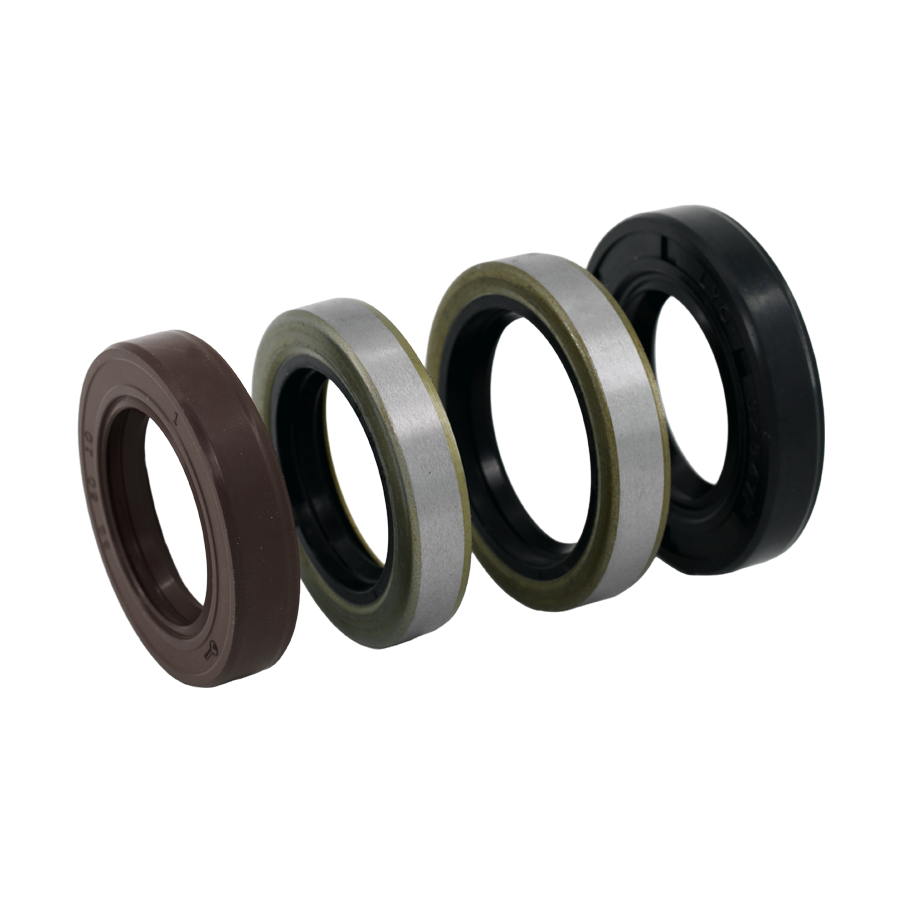
    A seal can be used as a generic term to include any component designed to prevent leakage or ingress of fluids, dust, or gases.

    However, unlike gaskets, seals are often employed to deal with dynamic applications where there is relative motion at the intersection between moving components, such as rotating shafts or piston rings.

    • Types of Seals: Oil seals, mechanical seals, rotary shaft seals, lip seals.
    • Materials: Elastomers, PTFE, polyurethane, sometimes bonded to metal for rigidity.
    • Common Uses: Pumps, gearboxes, bearings, engines, and hydraulic systems.
    • Key Benefits:
      • Withstands movement and pressure
      • Protects against contamination (dust, dirt, water)
      • Extends equipment life

    Short description: Seals can cover static applications, but primarily cover dynamic applications, providing a seal between moving parts.

    What is an O-Ring?

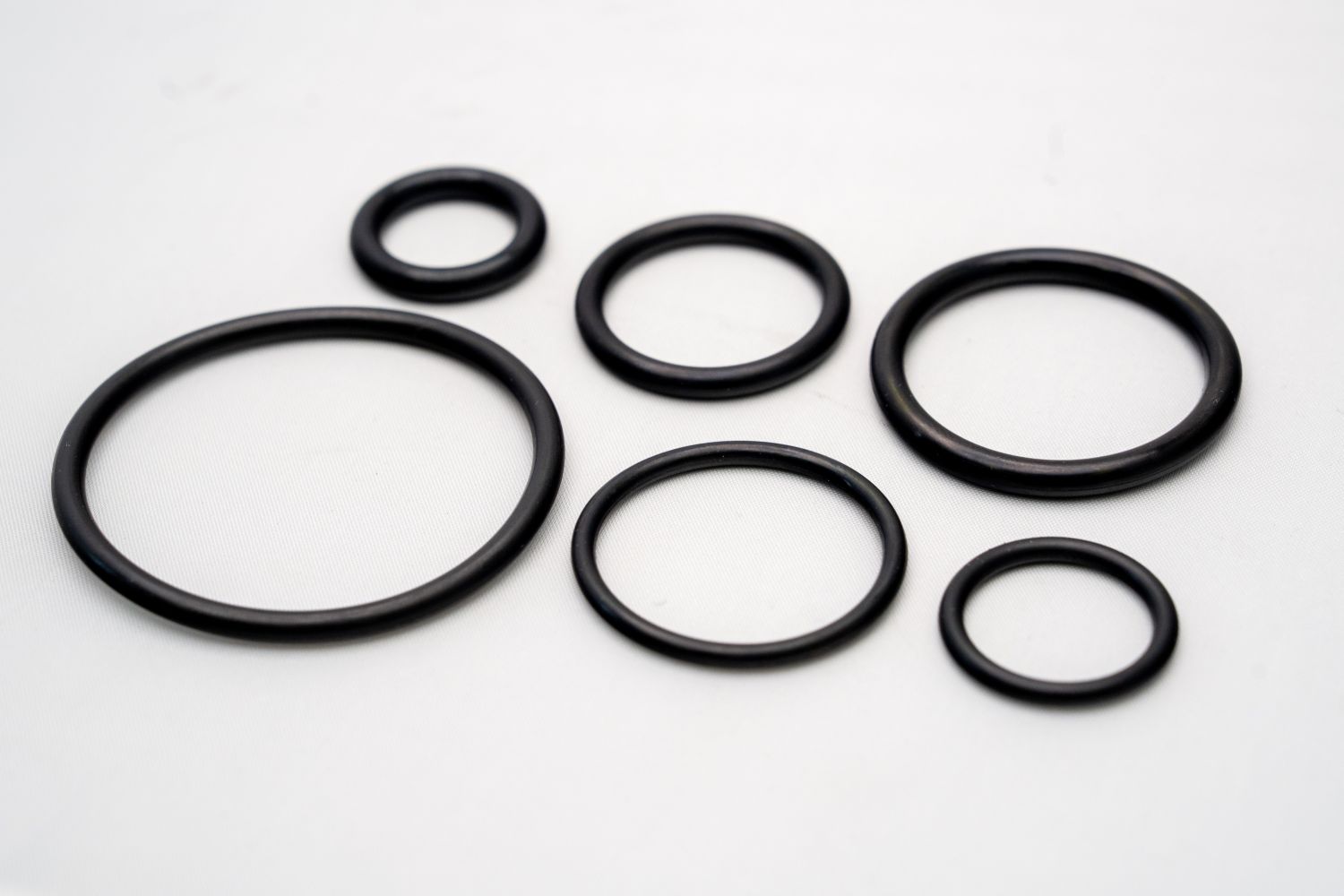
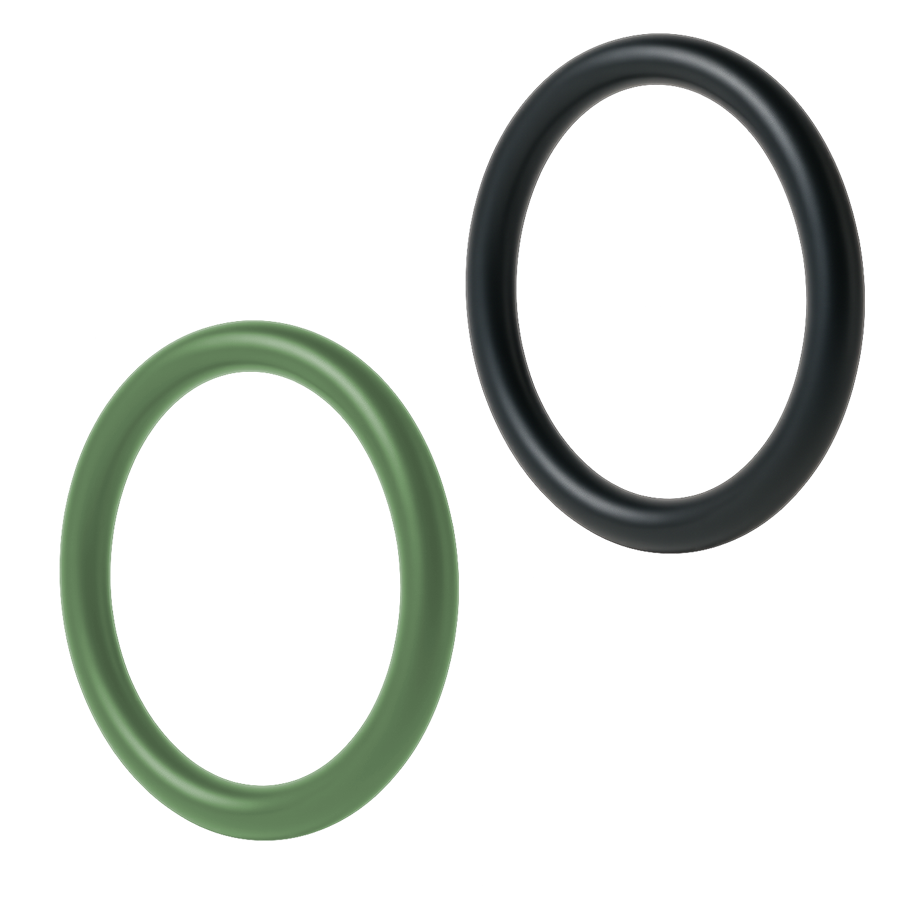
    An O-ring is one of the simplest and most commonly used sealing components. It is a doughnut-shaped ring of elastomer that sits in a groove and compresses between two surfaces.

    • Materials: Nitrile (NBR), EPDM, FKM/Viton®, Silicone, PTFE.
    • Common Uses: Hydraulic fittings, pneumatic systems, plumbing, automotive, aerospace, food and pharma.
    • Key Benefits:
      • Simple, low-cost design
      • Works in static and dynamic environments
      • Standard sizes readily available (BS, AS, ISO ranges)

    Short description: O-rings are compact, versatile, and ideal for both static and moving applications.

    Gasket vs Seal vs O-Ring — Key Differences

    Feature Gasket Seal O-ring
    Best For Flat joints, static flanges Dynamic Shafts, Pistons Grooved Joints
    Materials Wide variety (rubber, CSR, Cork) Elastomers, PTFE, Composites Elastomers, PTFE
    Applications Pipe Flanges, Housings, Covers Pumps, Gearboxes, Hydraulics Hydraulic, Pneumatic, Water

    A quick guide to choosing the right option.

    • Use a gasket if you are sealing two static, flat surfaces such as flanges.
    • Choose a seal if your application involves movement (shafts, rotating parts).
    • Select an O-ring when you need a simple, versatile, and low-cost solution for either static or dynamic sealing.

    To make sure you make the right choice contact our team 

5 artikel(en)

Cookie Notice.
This websites use cookies. By continuing to browse the site you are agreeing to our use of cookies.