For UK enquiries please visit polymax.co.uk or contact us on 01420 474123 | Email sales@polymax.co.uk
+(31) 70 2500606
€ EUR
€ Euro (EUR)
Change currency:
  • £ Brits pond sterling (GBP)
  • Rs Indiase rupee (INR)
  • zł Poolse zloty (PLN)
  • US$ Amerikaanse dollar (USD)

sales@oringen.eu
You have no items in your shopping cart.
0
Cart
-->

Seals

  • What is Compression Set? Everything You Need to Know

    What is Compression Set?

    Compression set occurs when an elastomer undergoes permanent deformation and fails to fully recover its original shape after being subjected to prolonged compression. In sealing applications, this loss of elasticity can significantly reduce sealing performance and increase the risk of leakage.

    A common example is an O-ring that remains flattened after extended service. As the material loses its ability to rebound, the sealing force decreases, making compression set one of the leading causes of O-ring failure. Understanding what causes compression set and how to minimise it is essential when selecting seals for long-term reliability.

    How is Compression Set Measured?

    Compression set is a measure of an elastomer's ability to recover after being compressed for a specified period of time. It is commonly evaluated using the ASTM D395 testing standard, which measures the permanent deformation that remains after the compressive load has been removed.

    During testing, the elastomer is compressed by a specified percentage, typically 25% of its original thickness for a defined period and temperature. Once the load is removed, the material is allowed to recover before its final thickness is measured.

    The result is expressed as the percentage of the original deformation that has not recovered. Lower compression set values indicate better elastic recovery and generally provide improved long-term sealing performance.

    Compression Set Formula for O-rings
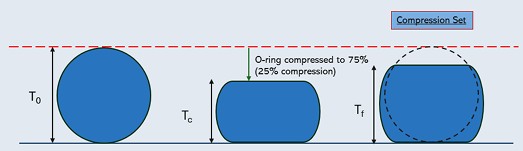
    Showing the Compression set in O-rings

    Compression Set (%) = ((T₀ − Tᶠ) / (T₀ − Tc)) × 100 

    Where:

    • T₀ = Original O-ring cross-sectional thickness
    • Tᶠ = Final thickness after testing
    • Tc = Thickness under compression

    Causes of Compression Set

    Compression set can develop due to several factors, often acting together over time. Common causes include:

    Inadequate Heat Resistance

    Exposure to elevated temperatures can accelerate the breakdown of elastomer properties, reducing the material's ability to recover after compression. Selecting high-temperature materials such as FKM (Viton®) or silicone can help maintain elasticity in demanding environments.

    Poor Compression Set Performance

    Different elastomers exhibit varying resistance to permanent deformation. Materials with naturally lower compression set characteristics, such as EPDM and FKM, are often preferred for applications requiring long service life.

    Excessive O-ring Squeeze

    Applying too much compression during installation places additional stress on the elastomer and can accelerate permanent deformation. Recommended squeeze levels are typically:

    • Static seals: 15–30%
    • Dynamic seals: 8–16%

    Following established gland design guidelines helps optimise sealing performance while minimising compression set.

    Chemical Degradation

    Exposure to incompatible chemicals can alter the molecular structure of an elastomer, leading to hardening, softening, swelling, or permanent deformation. Ensuring material compatibility with the media being sealed is essential for long-term reliability.

    Factors Affecting Compression Set

    Shore Hardness (ShA)

    Shore hardness influences how readily an elastomer deforms under load. Softer materials, such as 50 ShA silicone, generally compress more easily and may exhibit higher compression set values. Harder materials, such as 75 ShA FKM, tend to resist deformation more effectively and often provide improved compression set performance.
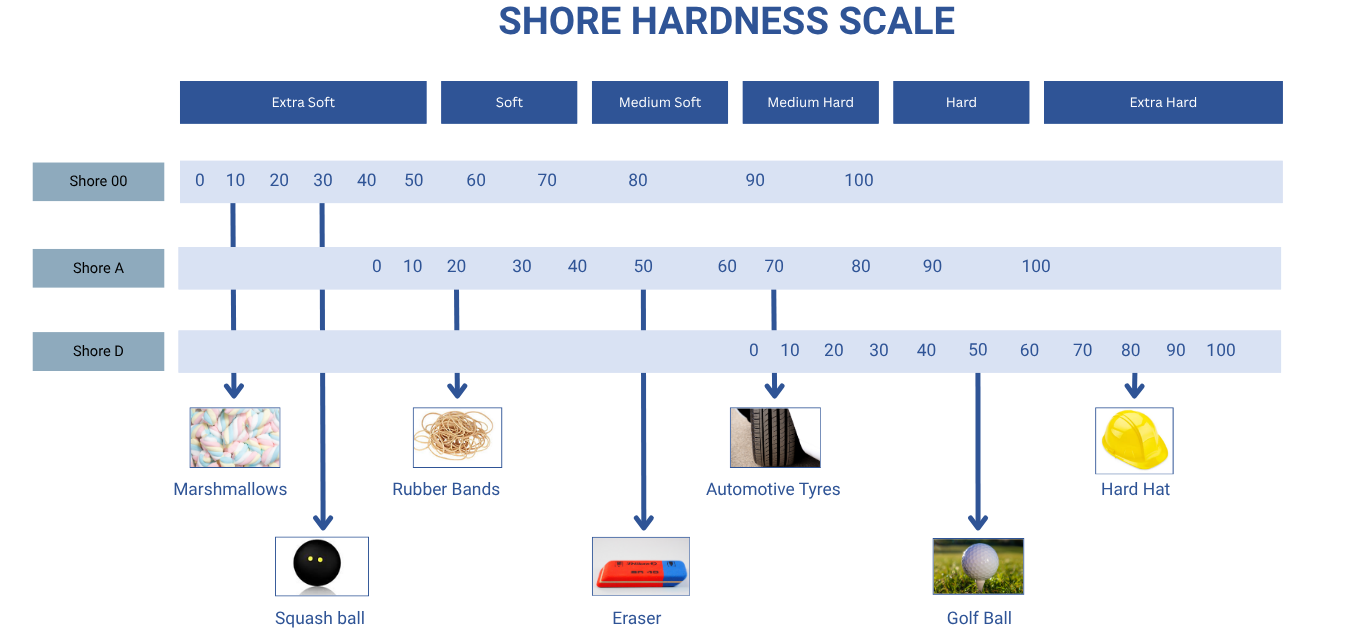
    Selecting the correct hardness helps balance sealing effectiveness, installation requirements, and long-term durability.

    O-ring Size

    Correct O-ring sizing plays an important role in maintaining seal integrity and reducing compression set. The cross-sectional thickness and gland dimensions determine the amount of squeeze applied during installation.

    Thicker O-rings may experience greater compression, increasing the risk of permanent deformation. Conversely, O-rings that are too thin may not generate sufficient sealing force. Oversized O-rings can also experience excessive installation stress, which may affect service life.

    Compression Set Performance of Common O-rings Materials

    Different elastomer compounds exhibit varying levels of compression set resistance. While application requirements such as temperature, chemical compatibility, and hardness should always be considered, the table below provides a general comparison of common O-ring materials and their typical compression set performance.

    Material Compression Set Resistance Temperature Resistance Typical Applications
    Silicone (VMQ) Fair Excellent Food processing, medical devices, high-temperature environments
    NBR (Nitrile) Good Good Hydraulic systems, fuel systems, oil sealing applications
    EPDM Very Good Excellent Water systems, steam applications, outdoor environments
    FKM (Viton®) Excellent Excellent Chemical processing, fuels, high-temperature sealing applications


    Why is Compression Set Important When Selecting an O-ring?

    O-rings function by maintaining continuous contact between the sealing surfaces and the gland. To achieve this, the elastomer is compressed during installation, creating the sealing force required to prevent leakage.

    Over time, heat, pressure, and chemical exposure can alter the polymer structure of the material. As elasticity decreases, the O-ring becomes less capable of returning to its original shape, reducing the sealing force available within the assembly.

    For this reason, compression set should be considered alongside chemical compatibility, temperature resistance, and hardness during material selection. Choosing an elastomer with good compression set resistance helps prevent premature seal failure, reduce maintenance costs, and improve long-term system reliability.

    In critical applications such as hydraulic systems, chemical processing equipment, and industrial machinery, compression set is often one of the most important indicators of long-term sealing performance.


    Need Help Call +44 (0)1420 474123 or e-mail us. We're here to help you find the perfect solution for reliable, long-lasting sealing.

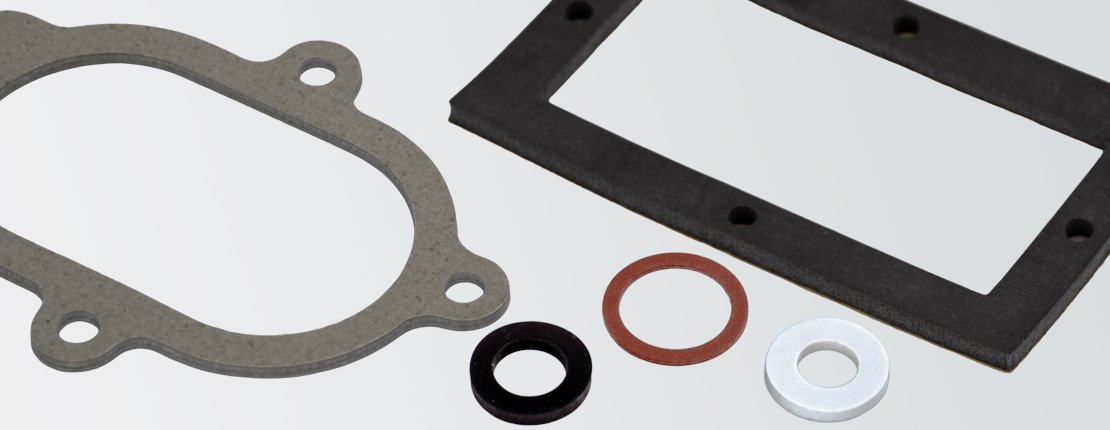
  • 12 Years of Partnership, Quality and Progress: Polymax Recognised by EUSGA

    The Polymax team was delighted to receive recognition at the recent annual conference of the European Sealing and Gasket Association (EUSGA), where we were presented with a certificate celebrating 12 years of membership.

    Being part of EUSGA reflects our ongoing commitment to quality, technical excellence, industry collaboration, and continuous improvement. For our customers, this means confidence in the products we supply, access to the latest industry knowledge, and a trusted partner dedicated to delivering reliable sealing solutions that meet the highest standards.

    We would like to thank EUSGA for this recognition and look forward to continuing to support our customers through innovation, expertise, and best practice across the industry.

  • How to Choose the Right Material for Gasket and Seals

    Selecting the correct gasket material is critical to preventing leaks, reducing downtime, and ensuring long-term system reliability. Whether in chemical processing, food production, or high-pressure systems, material choice directly impacts performance, safety, and cost.

    Choosing the right material starts with understanding the operational parameters under which the gasket will function. Choosing the right material ensures reliability, longevity, and safety.

    Step 1: Define Operating Conditions (External Environment)

    The first step in material selection is to clearly define the conditions in which the gasket or seal will operate. These external factors determine the baseline requirements for performance and durability.

    Key considerations include:

    • Temperature: Materials must withstand both the minimum and maximum operating temperatures. For example, graphite gaskets perform well in high-temperature environments, whereas elastomers are typically better suited to moderate ranges.
    • Pressure: Higher pressures require materials with sufficient compressive strength and structural integrity, such as metal gaskets or reinforced composites.
    • Chemical Exposure: The material must resist any fluids or gases it will contact. In chemically aggressive environments, fluoroelastomers such as Viton® are often preferred due to their superior resistance to fuels, oils, and solvents.

    Understanding these operating conditions helps narrow down suitable material groups before evaluating specific properties.

    Step 2: Evaluate Material Behaviour (Performance Properties)

    Once operating conditions are defined, the next step is to assess how candidate materials perform under those conditions. This focuses on the inherent properties that determine sealing effectiveness over time.

    • Key factors include:
      • Thermal Stability: The material must maintain its integrity, flexibility, and sealing capability across the full temperature range without hardening, cracking, or degrading.
      • Chemical Compatibility: Ensure the material will not swell, corrode, or chemically break down when exposed to process media.
      • Pressure Retention: The material must be capable of maintaining a reliable seal under system pressure without extrusion or permanent deformation.
      • Environmental Resistance: Consider exposure to moisture, UV radiation, abrasion, or outdoor conditions that may affect long-term performance.
      • Durability and Lifespan: Evaluate how the material performs under continuous operation, including resistance to wear, compression set, and ageing.

      This step ensures the selected material not only meets initial requirements but continues to perform reliably over time.

    Step 3: Consider Compliance and Industry Standards

    Many industries require seals and gaskets to comply with specific standards to ensure safety, reliability, and regulatory compliance. Key standards to consider include:

    • ASME B16.20: Governs metallic gaskets used in high-pressure piping applications.
    • PN Ratings (e.g., PN16, PN40): Define the nominal pressure a gasket or flange can withstand in metric piping systems.
    • FDA and EU Regulations: Ensure materials used in food, beverage, and pharmaceutical applications are safe and non-reactive.
    • DIN and EN Standards: Common in Europe, covering gasket dimensions, materials, and performance criteria.
    • API Standards (e.g., API 601, API 622): Relevant for the oil and gas industry, specifying gasket design, material, and leak performance.
    • NACE Standards: Address corrosion resistance requirements, especially for chemical and petroleum industries.

    Ensuring compliance with these standards helps guarantee that the selected gasket material not only meets operational requirements but also adheres to industry and regulatory mandates, reducing the risk of failures and legal or safety issues.

    Step 4: Evaluate Cost vs. Performance

    While it’s tempting to select the cheapest material, cost-effectiveness comes from balancing initial cost with longevity and reliability. A slightly more expensive gasket material may deliver a better whole life cost value, as it can reduce disruption, maintenance costs and downtime significantly.

    By following these steps, you can confidently select the ideal gasket material for your application, minimising risk and maximising efficiency.

    Key Considerations:

    • Assess temperature, pressure, and chemical exposure first 
    • Match the material properties to your application
    • Ensure compliance with industry standards
    • Balance cost with long-term performance

    The following comparison table evaluates common elastomeric, fibrous, and metallic materials, such as Nitrile (NBR), EPDM, Silicone, and PTFE against some  key criteria to help you identify the most cost-effective and reliable solution for your specific application.

    Material Temperature Range Pressure Tolerance Chemical Compatibility Key Advantages Common Applications
    Nitrile (NBR) -40°C to +120°C Low to moderate Good with oils, fuels, hydrocarbons; poor with ozone/UV Cost-effective, oil-resistant Automotive, fuel systems, hydraulic seals
    EPDM -50°C to +150°C Low to moderate Excellent with water, steam, mild acids; poor with oils Weather/ozone resistant, FDA grades available HVAC, water treatment, food-grade seals
    Silicone -60°C to +200°C Low to moderate Resistant to ozone, weathering; limited fuel/oil resistance Flexible at extreme temperatures Medical devices, food processing, ovens
    PTFE (Teflon) -200°C to +260°C Moderate Excellent chemical resistance, inert to most fluids Non-stick, FDA compliant, broad chemical use Chemical processing, pharma, food industry
    Graphite -200°C to +450°C (up to 3000°C in non-oxidizing atmospheres) High Excellent with acids, solvents, steam; oxidizes in air >450°C High-temp resistance, creep-resistant Power plants, refineries, exhaust systems
    Viton® (FKM) -20°C to +200°C Moderate Excellent with fuels, oils, solvents; poor with steam/amine Superior chemical and fuel resistance Aerospace, oil & gas, automotive
    Neoprene (CR) -40°C to +120°C Low to moderate Good with oils, ozone, weathering; limited chemical resistance Balanced performance, durable Refrigeration, marine, HVAC
    Cork -20°C to +120°C Low Moderate resistance to oils and fuels; poor with solvents Compressible, conformable, lightweight Automotive engines, electrical transformers
    Compressed Fibre (general) -50°C to +400°C Moderate to high Resistant to oils, water, steam, mild chemicals Economical, versatile sealing material General industry, pumps, compressors
    Aramid/NBR Compressed Fibre -50°C to +300°C High Excellent with oils, fuels, hydrocarbons, steam; limited with strong acids/alkalis Strong mechanical strength, creep resistant Oil & gas, petrochemical, chemical plants
    Metal (SS, Inconel, etc.) Up to +1000°C (material-dependent) Very high Excellent with most fluids, gases, and steam Handles extreme temp/pressure, reusable High-pressure pipelines, turbines, flanges
    Spiral Wound (Composite) -200°C to +1000°C Very high Depends on filler (graphite/PTFE/mica) and metal choice Versatile, robust under harsh conditions Petrochemical, refinery, nuclear


    Choosing the correct gasket material is not just a specification decision, it directly impacts system safety, maintenance frequency, and operational cost. By evaluating operating conditions, material properties, and compliance requirements, engineers can ensure reliable sealing performance across even the most demanding applications.

    For guidance and support Contact our team of experts, or call them on +44 (0) 1420 474 123.

3 artikel(en)

Cookie Notice.
This websites use cookies. By continuing to browse the site you are agreeing to our use of cookies.